The Orthodox Church vs illustration of the Animal Cell.
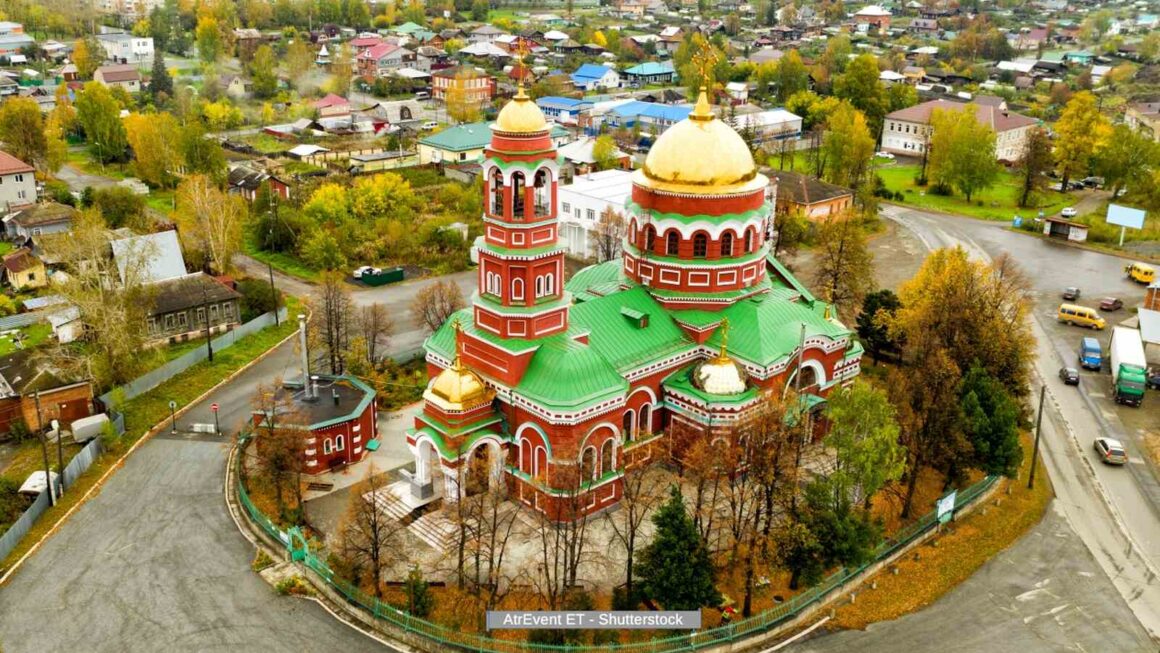
For centuries, sacred architects have erected buildings that today – through the lens of modern biology – reveal themselves as perfect representations of the microscopic world. The Church of St. John the Theologian in Verkhnyaya Salda is not just a house of prayer, but a living illustration of cellular creation. Let us examine how its form replicates the structure of an animal cell, uncovering our ancestors’ forgotten knowledge about the essence of life.
,Photo description: Aerial view of temple in the name of the Holy Apostle and Evangelist John the Theologian. City of Verkhnyaya Salda. Russia.
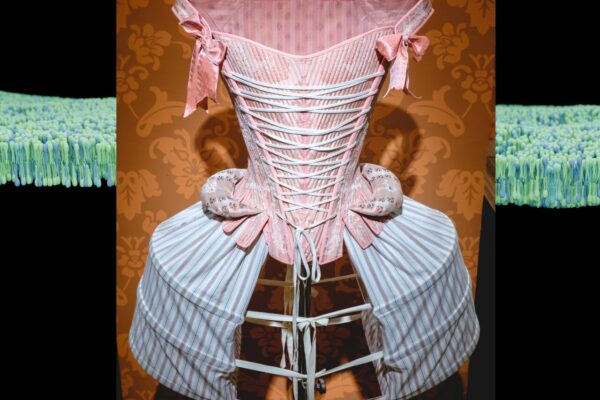
,Illustration description: Biology study animal cell structure diagram.
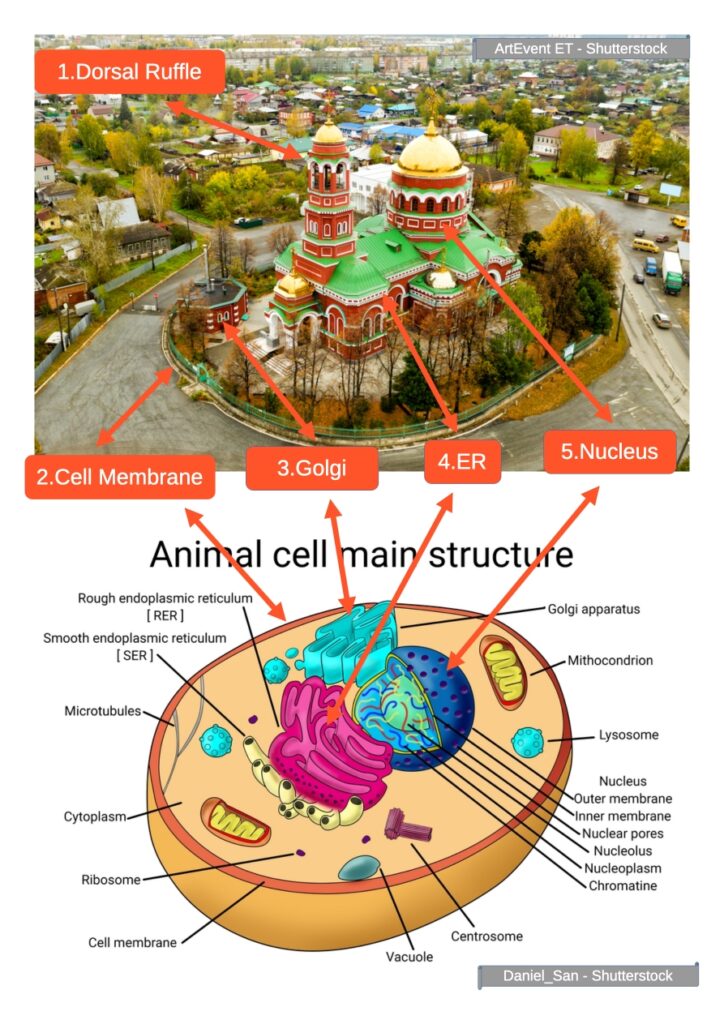
- 1. „The Bell Tower. It rises from the church’s spine—the dorsal ruffle. In an animal cell, the dorsal ruffle is a dynamic membrane structure on the cell’s upper surface—a wave-like protrusion involved in movement and signaling. The bell tower, reaching skyward from the building’s crest, mirrors this perfectly. Just as dorsal ruffles send signals during cellular migration, the sound of bells spreads through the community, coordinating spiritual movement.
- 2. „The Enclosure as the Cell Membrane” The stone church fence functions exactly like a cell membrane – creating a selective barrier between sacred and profane. Its gates act as transport proteins, admitting only those who come with proper intention, much like the selectively permeable cell membrane.
- 3. „The Pavilion as the Golgi Apparatus” The small building near the entrance is the church’s equivalent of the Golgi apparatus – where „spiritual proteins” (sacred objects and texts) are sorted, labeled and prepared for distribution to the faithful, just like proteins in a cell.
- 4. „The Entrance and Nave Structure as the Endoplasmic Reticulum” The space before the entrance and the nave’s external structure form a channel system analogous to the endoplasmic reticulum. Here, much like proteins in intracellular transport, worshippers prepare for deeper entry into the mystery.
- 5. „The Dome as the Cell Nucleus” The central dome with its cross is unmistakably the cell nucleus – the command center of the entire organism. It stores „spiritual DNA” – the liturgy, icons and Word of God that program community life just as DNA directs cellular functions.
Are these similarities mere coincidence? Or are we on the verge of rediscovering a forgotten symbolic language in which the architects of all civilizations encoded knowledge about the microcosm? The Church of St. John the Theologian seems to whisper: „Look closely—the divine order reveals itself in every dimension of existence, from a single cell to the domes of our temples.
„Fascinating Facts About Animal Cells”
,Animal cells are incredible microcosms where complex life-sustaining processes occur. Here are some scientific curiosities that reveal their sophistication:
1. „Miniature Protein Factories” A single animal cell contains about 10 billion protein molecules that are constantly being synthesized, modified, and degraded. Ribosomes produce proteins at a rate of approximately 6 amino acids per second!
2. „Dynamic Cytoskeleton” Microtubules and actin filaments form a flexible network that can completely reorganize itself within minutes. This plasticity enables cells to change shape and move.
3. „Intelligent Internal Transport” The endoplasmic reticulum and Golgi apparatus system sorts over 30% of all cell proteins, precisely directing them to their proper destinations.
4.” Powerhouse Centers” Mitochondria, known as the cell’s power plants, generate daily an amount of ATP equivalent to the cell’s own mass. The human body produces about 70 kg of ATP per day!
5. „Precise Genetic Control” The cell nucleus contains about 2 meters of DNA packed into a space just 10 micrometers in diameter. Despite such extreme compaction, transcription mechanisms accurately locate needed genes.
Surprising Facts:
– Human cells contain 10 times more bacteria (microbiome) than their own cells
– Connections between neurons can transmit impulses at speeds up to 120 m/s
– The cell membrane performs about 10^9 molecular exchanges per second
„The animal cell is one of the most complex systems in the universe—a miniature world where approximately 100,000 different chemical reactions occur simultaneously.”
,Combining images and analysis by Tomasz Mikulski – Cell God, date: 12/2024
- Links and references:
- What is the function of dorsal ruffle? https://pmc.ncbi.nlm.nih.gov/articles/PMC3486146/
- NCBI Database (National Center for Biotechnology Information): https://www.ncbi.nlm.nih.gov/
- Nature Cell Biology: https://www.nature.com/ncb/
- Cell Biology Compendium (Molecular Biology of the Cell): https://www.ncbi.nlm.nih.gov/books/NBK21054/